Your Neighborhood Lawn Care Provider.

Yellow Nutsedge in Maryland Lawns: What It Is and How to Control It
- On June 09 2026
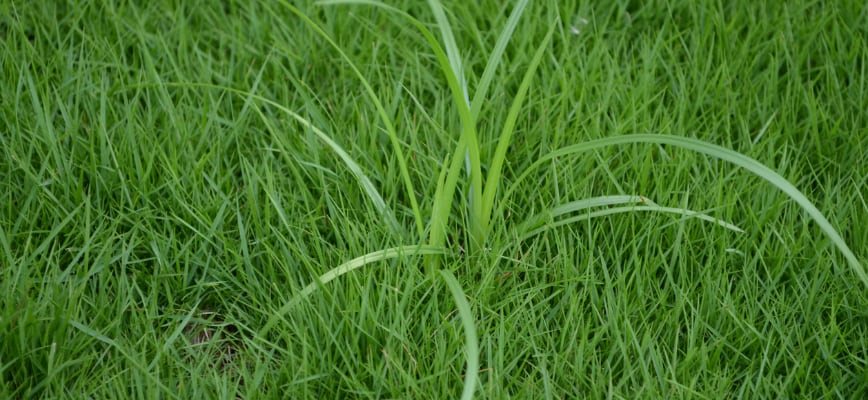
If you've noticed bright lime-green patches suddenly growing faster than the rest of your lawn in early summer, there's a good chance you're dealing with Yellow Nutsedge.
Scientifically known as Cyperus esculentus, Yellow Nutsedge is one of the most common and frustrating lawn weeds homeowners encounter throughout Maryland. It's often mistaken for crabgrass or regular grass weeds, but it behaves very differently — which is why proper identification and treatment matter.
At AgroLawn, we frequently start seeing Yellow Nutsedge emerge in June as soil temperatures rise and lawns begin experiencing more moisture and heat stress conditions.
What Is Yellow Nutsedge?
Yellow Nutsedge is technically not a grass at all. It is a sedge — a perennial weed that thrives in moist soils and aggressively spreads underground through small tubers called “nutlets.”These underground nutlets are one reason Yellow Nutsedge can become such a persistent problem. Even after mowing or pulling the weed, the underground system often remains alive and continues spreading. Because of its growth habits, standard weed control products used for broadleaf weeds or crabgrass may not effectively control Yellow Nutsedge.

What Does Yellow Nutsedge Look Like?
Yellow Nutsedge has several unique characteristics that help distinguish it from turfgrass:- Bright yellow-green color.
- Faster growth than surrounding lawn.
- Upright, shiny leaves.
- Leaves arranged in sets of three.
- Triangular stem shape when rolled between your fingers.
In Maryland lawns, Yellow Nutsedge commonly appears:
- In poorly drained areas.
- Near downspouts.
- Around irrigation leaks.
- In compacted soils.
- In lawns with excessive moisture.
Why Yellow Nutsedge Shows Up in Summer
June and July create ideal growing conditions for Yellow Nutsedge across Maryland. Warm soil temperatures combined with increased rainfall, humidity, irrigation, and compacted soil conditions allow the weed to spread rapidly. Lawns stressed by heat or poor drainage are often more vulnerable to infestation.In many cases, Yellow Nutsedge is actually a symptom of an underlying lawn issue, such as:
- Overwatering.
- Soil compaction.
- Drainage problems.
- Thin turf coverage.
- Inconsistent lawn health.
Why Pulling Yellow Nutsedge Usually Makes It Worse
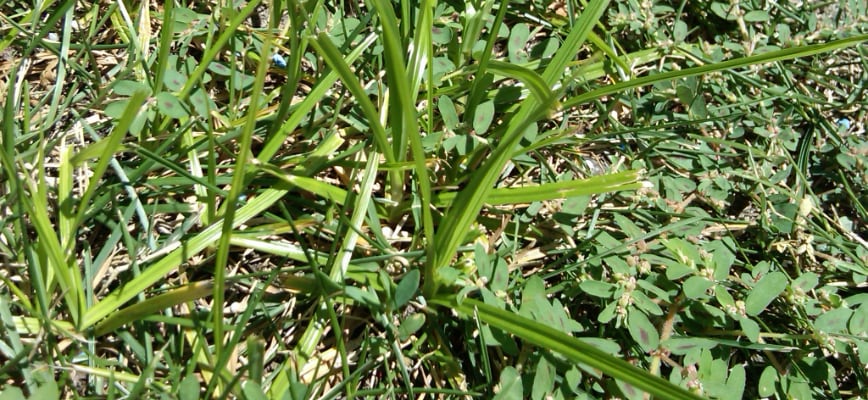
One of the most common homeowner mistakes is trying to hand-pull Yellow Nutsedge. Unfortunately, pulling often leaves behind underground tubers that continue producing new growth. In some cases, disturbing the plant can actually stimulate additional spreading beneath the surface.Repeated mowing also does not eliminate the problem because the underground nutlets remain protected in the soil. Effective control requires targeted products specifically designed for sedges and proper application timing.
How AgroLawn Controls Yellow Nutsedge
Yellow Nutsedge requires a specialized treatment approach. At AgroLawn, we use professional-grade selective products designed specifically to target sedges without damaging desirable cool-season turfgrass commonly found in Maryland lawns.Proper timing is critical. Treatments are typically most effective when:
- Nutsedge is actively growing.
- Plants are young and not fully mature.
- Applications are made consistently if needed.
- Lawn stress factors are also addressed.
In addition to treatment, we often recommend improving overall lawn conditions through:
- Proper watering practices.
- Soil improvement.
- Aeration.
- Reducing compaction.
- Strengthening turf density.

Can Yellow Nutsedge Be Prevented?
Unlike crabgrass prevention programs, there is no true “pre-emergent” prevention program that completely stops Yellow Nutsedge from appearing.However, homeowners can reduce the likelihood of outbreaks by:
- Avoiding excessive watering.
- Improving drainage.
- Correcting compacted soil.
- Maintaining healthy turf density.
- Monitoring irrigation systems for leaks.
When Should You Treat Yellow Nutsedge?
Early to mid-summer is typically the best window for treatment in Maryland. The earlier Yellow Nutsedge is identified and treated, the easier it is to control before underground tubers multiply further.If left untreated through summer, infestations often become larger and more difficult to manage the following season.
Professional Yellow Nutsedge Control in Maryland
If you're seeing fast-growing lime-green patches in your lawn this summer, AgroLawn can help properly identify and treat the problem before it spreads further.Our lawn care specialists understand the growing conditions common throughout Maryland and can recommend the best treatment strategy for your property.
Contact AgroLawn today at 410-997-1742 to schedule a lawn evaluation and learn more about professional Yellow Nutsedge control services.