Your Neighborhood Lawn Care Provider.

How Winter Weather Patterns Shape the Health of Maryland Lawns All Year Long
- On January 15 2026
When winter settles in across Maryland, it's easy to assume your lawn is "asleep" and unaffected by what's happening above ground. In reality, winter weather patterns quietly play a powerful role in shaping how your lawn performs not just in spring—but throughout the entire growing season.
From freeze-thaw cycles to snow cover and temperature swings, the conditions your lawn experiences during winter directly influence root health, soil structure, weed pressure, and overall turf resilience. Understanding these impacts can help homeowners set realistic expectations and make smarter lawn care decisions year-round.
Freeze-Thaw Cycles: The Hidden Stressor Beneath the Surface
One of the most significant winter challenges for Maryland lawns is the repeated freeze-thaw cycle. When daytime temperatures rise above freezing and then drop again overnight, soil expands and contracts.This movement can:
- Push grass roots closer to the surface (a process known as frost heaving).
- Weaken root systems and reduce nutrient uptake.
- Create uneven soil that affects spring green-up.
Snow Cover: Protection or Problem?
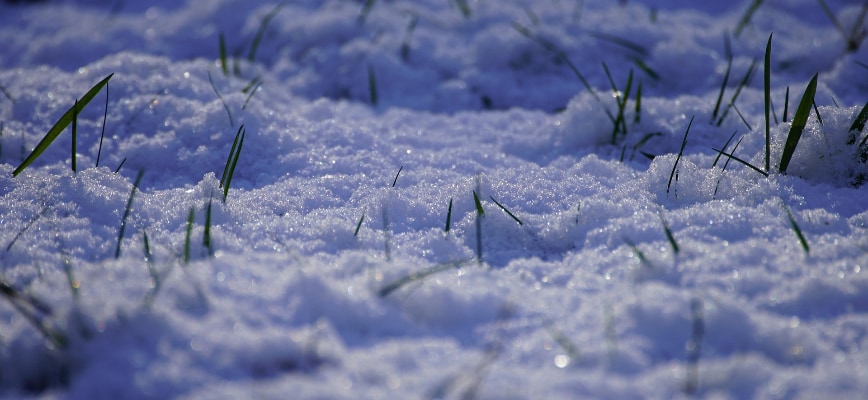
Snow isn't always a bad thing for your lawn. In fact, consistent snow cover can act as an insulating blanket, protecting grass crowns from extreme cold and drying winter winds.However, issues arise when:
- Snow piles linger too long in shaded areas.
- Heavy, wet snow compresses turf.
- Ice layers form and block oxygen exchange.
Temperature Swings and Dormancy Confusion
Maryland winters are known for their unpredictability. Warm spells followed by sudden cold snaps can confuse turfgrass, especially cool-season grasses common in the region.These swings can:
- Trigger early metabolic activity in grass plants.
- Deplete stored energy reserves.
- Leave lawns more vulnerable to stress once true spring growth begins.
Soil Health Starts in Winter
Winter conditions directly affect soil structure and biology. Compacted or poorly drained soils are more likely to:- Hold excess moisture.
- Limit oxygen availability.
- Delay spring root development.
How Winter Impacts Spring and Summer Performance
The effects of winter don't stop when temperatures rise. Lawns stressed during winter often experience:- Slower spring green-up.
- Increased weed pressure.
- Thinner turf density.
- Reduced tolerance to heat and drought in summer.
Preparing for Success: A Year-Round Approach
While you can't control the weather, you can control how well your lawn is prepared to handle it. A comprehensive lawn care program that focuses on soil health, proper nutrition, and timely treatments helps your lawn recover faster and perform better all year long.Winter may be quiet above ground, but beneath the surface, it's shaping the season ahead.