Your Neighborhood Lawn Care Provider.

Warm-Season vs. Cool-Season Weeds: How to Keep Both Types Under Control
- On May 06 2026
If it feels like weeds never take a break in Maryland, that's because they don't. Different types of weeds thrive at different times of the year, which is why homeowners often feel like they're constantly battling something new popping up in the lawn.
Understanding the difference between warm-season and cool-season weeds is the first step toward gaining control—and keeping your lawn looking clean and healthy all season long.
What Are Cool-Season Weeds?
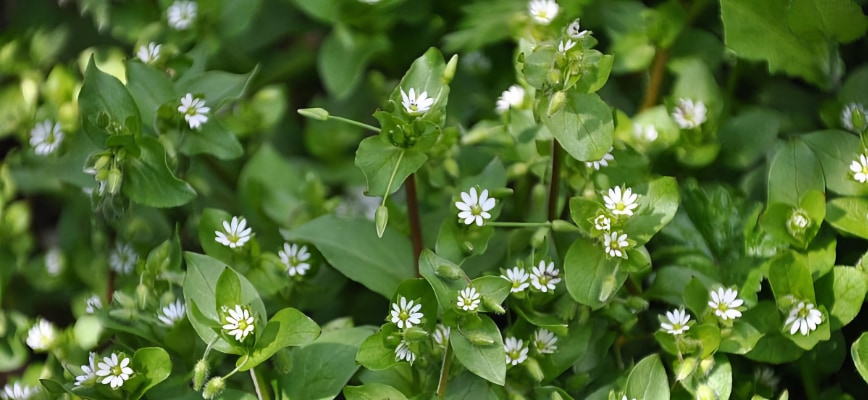
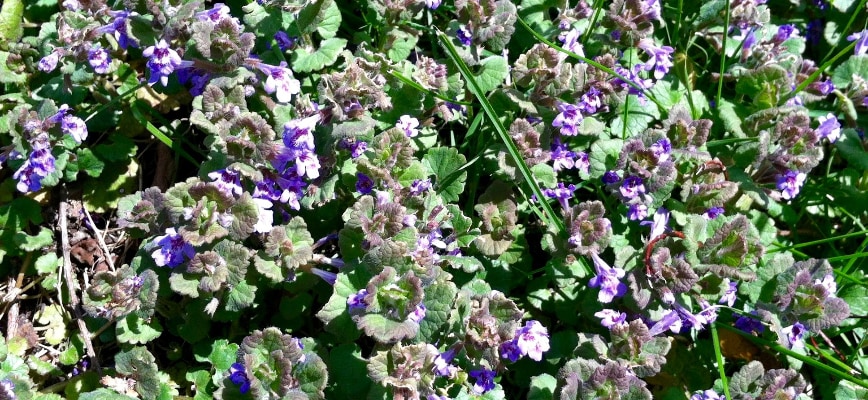
Cool-season weeds are the early risers. They begin germinating when soil temperatures are still relatively low, often in late winter to early spring. In Maryland, this typically means they're already active before most homeowners are even thinking about lawn care.These weeds thrive in cooler temperatures and tend to grow aggressively in spring and again in the fall. Common cool-season weeds include:
- Chickweed
- Henbit
- Annual bluegrass (Poa annua)
- Bittercress
Why they're a problem:
By the time you see them, they've usually already matured—and many have begun producing seeds for the next cycle.
What Are Warm-Season Weeds?
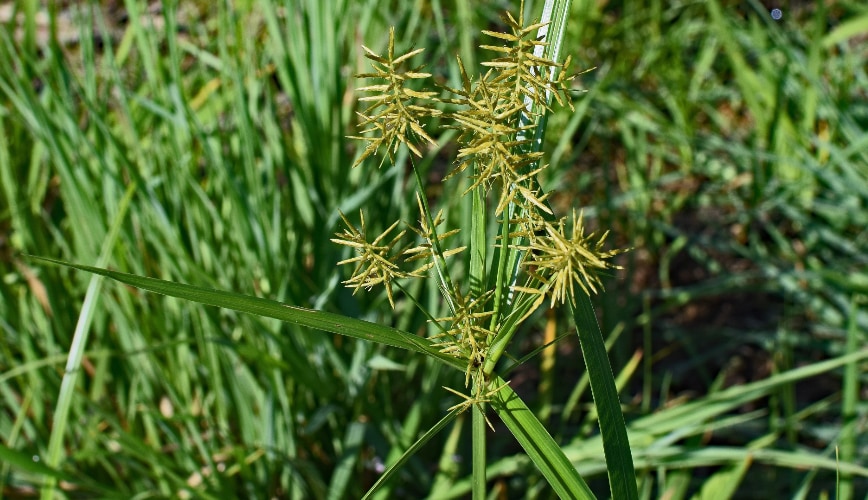
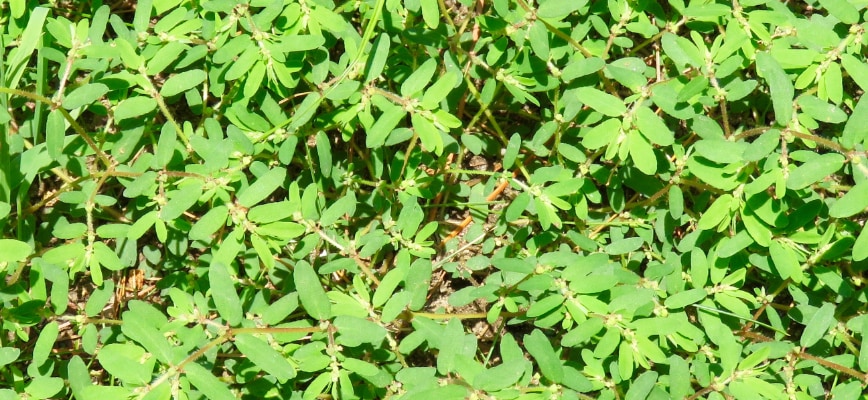
Warm-season weeds take over where cool-season weeds leave off. They begin germinating as soil temperatures consistently reach around 55-65°F, which typically happens in mid to late spring in Maryland.These weeds thrive in heat and will dominate lawns throughout the summer months if left untreated. Common warm-season weeds include:
- Crabgrass
- Goosegrass
- Spurge
- Nutsedge
Why they're a problem:
Warm-season weeds grow fast, compete aggressively for nutrients and water, and can quickly overtake weakened areas of your lawn.
Why You're Seeing Weeds Year-Round
The key difference between warm-season and cool-season weeds comes down to timing. As one group fades, the next begins to germinate.That means without a proactive lawn care plan, there's always an opportunity for weeds to establish. In Maryland's climate, this cycle often looks like:
- Late winter/early spring → Cool-season weeds emerge
- Late spring/summer → Warm-season weeds take over
- Fall → Another wave of cool-season weeds begins
How to Control Cool-Season Weeds
The most effective way to control cool-season weeds is to stop them before they start.Prevention is key. Fall and very early spring are the best times to apply pre-emergent treatments that prevent these weeds from germinating in the first place.
If they've already appeared, post-emergent weed control can help eliminate existing growth—but timing matters. Early intervention prevents seed production and reduces future infestations. Healthy turf also plays a major role. A dense, well-maintained lawn naturally crowds out weeds and limits their ability to spread.
How to Control Warm-Season Weeds
Warm-season weeds require a slightly different approach, with a strong focus on spring timing.Pre-emergent applications in early to mid-spring create a barrier that prevents weeds like crabgrass from germinating. Once soil temperatures rise, that window begins to close.
If warm-season weeds do break through, targeted post-emergent treatments can control them—but they are most effective when weeds are young and actively growing. Consistent lawn care practices also make a big difference:
- Proper mowing height (don't cut too short)
- Deep, infrequent watering
- Balanced fertilization
Why Timing Matters More Than Products
One of the biggest misconceptions homeowners have is that weed control is all about what product you use. In reality, timing is far more important than the product itself.Applying a pre-emergent too late won't stop weeds that have already germinated. Waiting too long for post-emergent control allows weeds to mature and spread. That's why professional programs are built around seasonal timing—not just treatments.
A Smarter Approach to Year-Round Weed Control
The most effective way to manage both warm-season and cool-season weeds is with a proactive, season-long strategy.At AgroLawn, we take a targeted approach that aligns with Maryland's growing conditions—timing applications to stop weeds before they start and addressing any breakthroughs quickly. Instead of reacting to weeds after they appear, our programs focus on:
- Preventing germination at the right time
- Strengthening turf to naturally resist weeds
- Monitoring and adjusting throughout the season
The Bottom Line
Weeds don't operate on a single schedule—and neither should your lawn care plan. By understanding the difference between warm-season and cool-season weeds, you can take the right steps at the right time to keep your lawn under control year-round.
Ready for a Lawn with Fewer Weeds?
If you're tired of chasing weeds from one season to the next, it may be time for a more proactive plan.Contact AgroLawn today at 410-997-1742 to learn more about our lawn care programs designed specifically for Maryland conditions. We'll help you stay ahead of both warm-season and cool-season weeds—so you can enjoy a cleaner, healthier lawn all season long.