Your Neighborhood Lawn Care Provider.

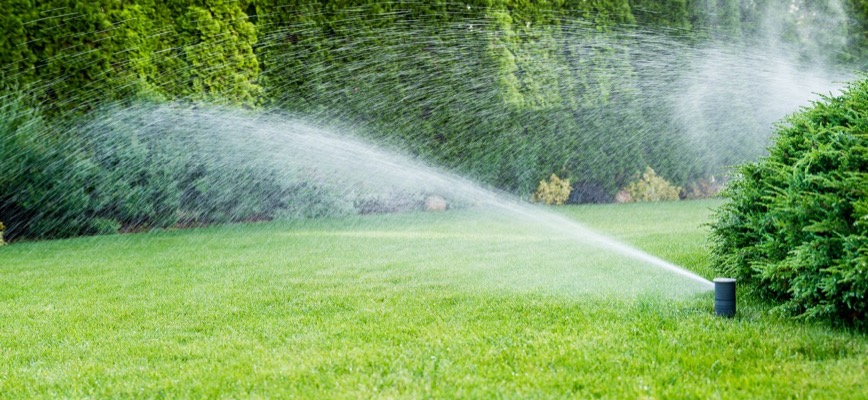
Fall Watering Guidelines: How Much Your Lawn Really Needs Before Winter
- On October 12 2026
Fall is one of the most important seasons for your Maryland lawn. Cooler temperatures reduce summer stress, roots remain active, and
newly seeded areas have an opportunity to establish before winter. But as temperatures drop and days get shorter, homeowners often
wonder: How much should I still be watering?
Following the right fall watering guidelines can help your lawn make the most of the growing season without wasting water or
creating overly wet conditions. The goal is to provide enough moisture to support healthy roots while adjusting for cooler weather,
rainfall, and the lawn’s changing needs.
How Much Water Does a Lawn Need in the Fall?
For an established lawn, a general target during active growth is around 1 inch of water per week, including rainfall. However, that number isn’t a rigid rule. Fall temperatures, soil type, recent rainfall, drainage, and sun exposure can all affect how quickly the soil dries.Maryland weather can also fluctuate considerably during fall. A stretch of warm, sunny weather may require supplemental irrigation, while a cool, rainy week may eliminate the need to run your sprinkler system at all.
Instead of watering automatically according to a summer schedule, pay attention to actual soil moisture. The goal is to keep the root zone adequately moist—not constantly saturated.
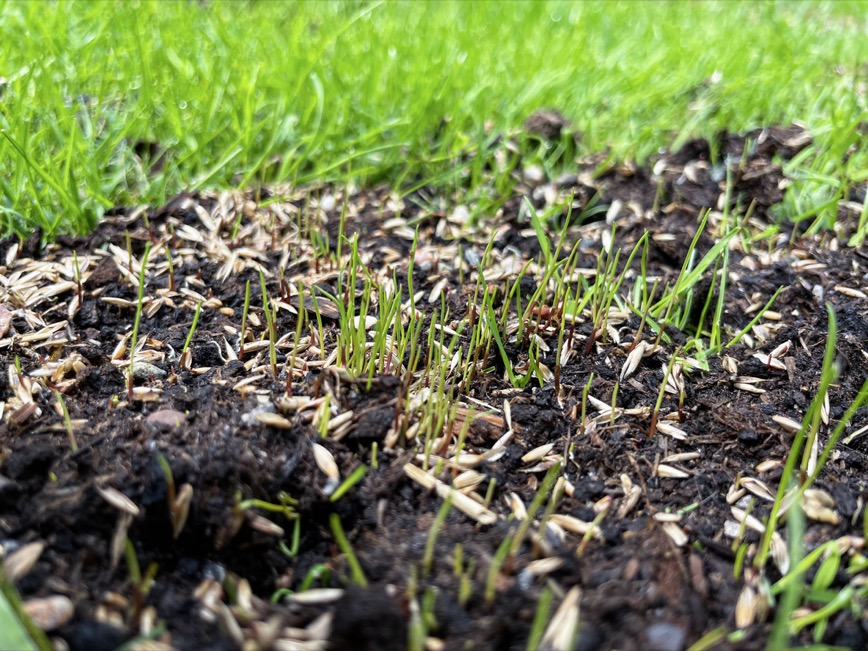
Newly Seeded Lawns Need Different Watering
If your lawn was aerated and overseeded this fall, watering becomes especially important. Grass seed needs consistent moisture during germination, and allowing the seedbed to completely dry out can interfere with establishment.Initially, newly seeded areas generally benefit from lighter, more frequent watering to keep the upper layer of soil consistently moist. Depending on weather conditions, this may mean watering more than once per day without allowing water to puddle or run off.
Once seedlings emerge and begin developing roots, gradually transition away from frequent, shallow watering. Water less often but more deeply to encourage roots to grow farther into the soil.
This transition is an important part of fall lawn establishment. Continuing to water too lightly for too long can encourage shallow root development.
Why Deep, Infrequent Watering Matters
For established turf, deep watering encourages roots to grow downward in search of moisture. A lawn with a stronger, deeper root system is generally better equipped to handle environmental stress.Frequent shallow watering does the opposite. When moisture is always available near the soil surface, roots have less incentive to grow deeper.
Our fall watering guidelines emphasize watering based on need rather than habit. As evaporation slows in October and November, your lawn may hold moisture much longer than it did during July or August.
Check the soil before turning on irrigation. If it is still moist a few inches below the surface, additional watering may not be necessary.
When Is the Best Time to Water?
Early morning remains the best time to water your lawn, even in fall. Watering in the morning gives moisture time to soak into the soil while allowing grass blades to dry during the day.Avoid routine watering late in the evening or overnight. Cool temperatures combined with prolonged leaf wetness can create conditions that favor certain turf diseases.
Also watch for runoff. If water begins flowing onto sidewalks or driveways before the soil has absorbed enough moisture, use shorter watering cycles with breaks in between. This can be especially helpful in compacted areas where water infiltration is slower.
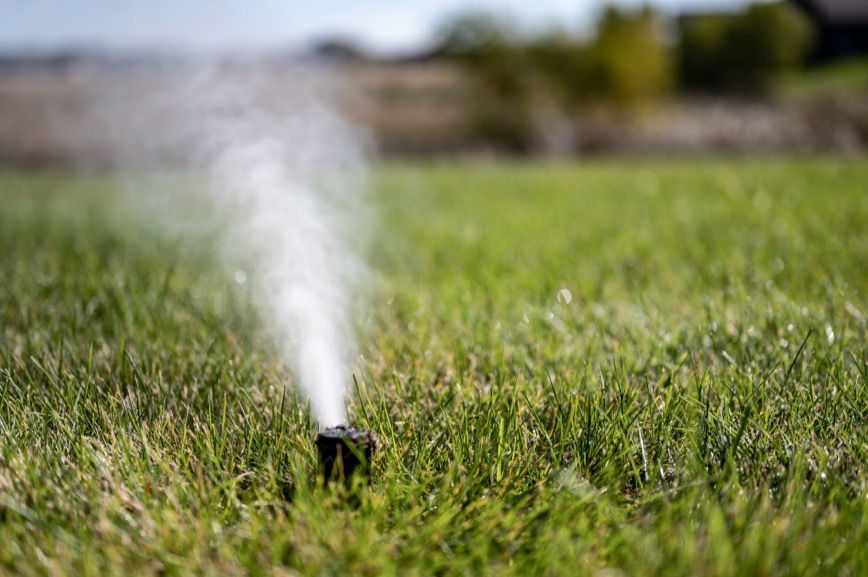
When Should You Stop Watering Before Winter?
There isn't one calendar date when every Maryland homeowner should shut off irrigation.As temperatures consistently cool, turf growth slows, evaporation decreases, and natural precipitation may provide sufficient moisture. Continue monitoring your lawn and the weather rather than abruptly stopping simply because October or November has arrived.
Supplemental watering can usually be reduced significantly once the lawn is no longer actively growing and consistently cool, wet weather arrives. Irrigation systems should also be properly winterized before freezing temperatures create a risk of damage.
Newly seeded lawns may need attention longer than established turf, particularly if fall conditions are unusually warm or dry.
Signs Your Lawn May Still Need Water
Your lawn can give you clues that moisture is running low. Grass that develops a dull or bluish-gray appearance, blades that begin folding inward, or footprints that remain visible after walking across the turf can indicate moisture stress.At the same time, more water isn't always better. Constantly soggy soil, standing water, or soft ground may signal that irrigation should be reduced.
The best fall watering guidelines ultimately come down to balance: provide enough moisture to support active roots and new grass without keeping the lawn unnecessarily wet.
Give Your Lawn What It Needs Before Winter
Fall lawn care is about preparing turf for what comes next. Proper watering, combined with appropriate fertilization, mowing, aeration, and overseeding when needed, can help your lawn develop stronger roots and store the resources it needs heading into winter dormancy.AgroLawn understands the challenges Maryland lawns face throughout the changing seasons. From summer stress to fall recovery and winter preparation, our lawn care programs are designed around what your turf needs at the right time of year.
Ready to help your lawn finish the season strong? Contact AgroLawn today at 410-997-1742 to learn more about our professional lawn care services and prepare your turf for the months ahead.