Your Neighborhood Lawn Care Provider.
Thatch vs. Healthy Organic Matter: Understanding the Balance for a Strong Lawn
- On April 14 2026
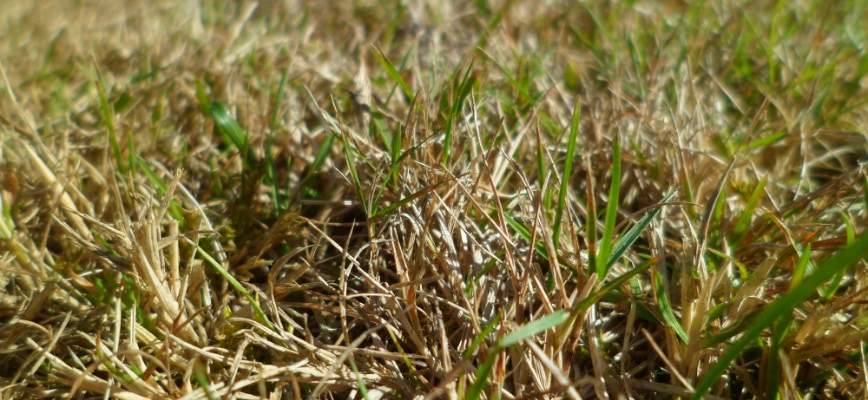
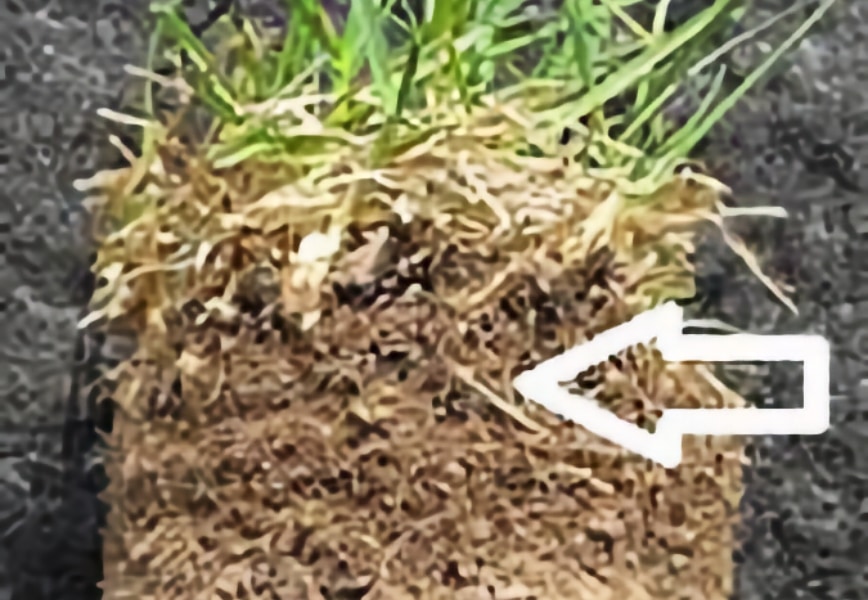
If you've ever noticed a spongy layer between your grass and soil, you're likely seeing thatch. But here's where many homeowners get confused: not all thatch is harmful.
Thatch is a layer made up of:
- Dead grass stems and roots
- Organic debris
- Partially decomposed plant material
Understanding the difference between harmful thatch buildup and healthy organic matter is key to maintaining a strong, resilient lawn in Maryland.
Healthy Organic Matter: The Foundation of a Strong Lawn
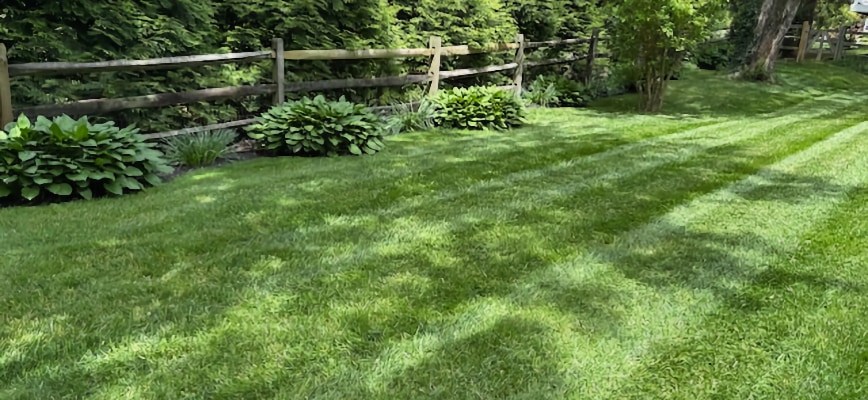
Before we label thatch as the enemy, it's important to understand what your lawn actually needs.A small amount of organic material in the soil:
- Improves soil structure
- Enhances moisture retention
- Supports beneficial microbial activity
- Promotes deeper root growth
When Thatch Becomes a Problem
Thatch becomes harmful when it exceeds about ½ inch in thickness. At that point, it stops being helpful and starts creating issues. Common problems caused by excessive thatch include:- Water running off instead of soaking into the soil
- Increased risk of lawn disease
- Shallow root systems
- Reduced effectiveness of fertilizers and treatments
- Ideal conditions for pests and insects
What Causes Excessive Thatch?
Many homeowners assume thatch is simply a result of not cleaning up their lawn — but it's more complex than that. Excess thatch is often caused by:- Over-fertilization without proper balance
- Poor soil microbial activity
- Compacted soil
- Frequent shallow watering
- Heavy use of certain grass types that produce more stems
The Key Difference: Thatch vs. Organic Matter
Here's the simplest way to think about it:- Healthy Organic Matter: Decomposing material that improves soil and supports growth
- Harmful Thatch: Undecomposed buildup that blocks nutrients and weakens turf
How to Manage Thatch the Right Way
The most effective way to manage thatch isn't through aggressive removal—it's by creating the right conditions for your lawn to naturally regulate itself. That's where working with a professional program like AgroLawn makes a real difference. Our approach focuses on building healthy soil, promoting consistent turf growth, and supporting the natural processes that break down excess thatch over time.Here's how we help maintain that balance:
1. Core Aeration
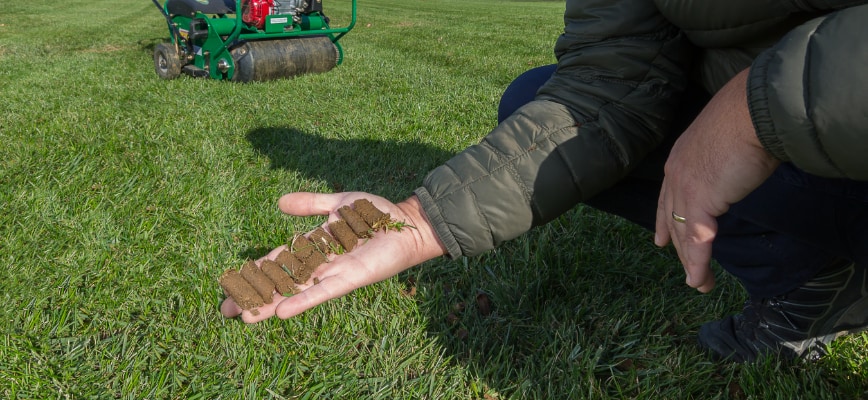
Aeration is a key part of our program, relieving soil compaction and allowing oxygen, water, and nutrients to reach the root zone. It also stimulates microbial activity, which plays a major role in breaking down thatch naturally.
2. Proper Fertilization
Our balanced fertilization program is designed to feed your lawn without overstimulating growth. This helps prevent the excessive organic buildup that can lead to thatch issues in the first place.
3. Soil Health Programs
We incorporate soil conditioning treatments that improve soil biology, encouraging beneficial microbes to do their job—naturally decomposing organic material and strengthening your lawn from the ground up.
4. Consistent Lawn Care Practices
With a step-by-step program tailored to Maryland lawns, we ensure proper timing, mowing guidance, and seasonal applications that keep your lawn in balance all year long.When these elements work together, your lawn becomes stronger, more resilient, and better equipped to maintain the ideal balance between thatch and healthy organic matter—without the need for excessive or damaging interventions.
Should You Dethatch Your Lawn?
In Maryland, the short answer for most homeowners is no. Since the vast majority of lawns in our area are Tall Fescue, dethatching is rarely necessary. Unlike "creeping" grasses, Tall Fescue is not an aggressive thatch producer. In fact, running a power rake or dethatcher over Fescue can actually be harmful, as it can rip the plants out of the ground and thin out your lawn.
Why Thatch Differs by Grass Type
Thatch is primarily a concern for "spreading" grasses common in the South, such as:- Zoysia
- Bermuda
Pro Tip: If you feel your lawn is compacted or "tight," Core Aeration is a much safer and more effective alternative for Tall Fescue. It relieves compaction and allows nutrients to reach the roots without damaging the crown of the plant.
Why This Matters for Maryland Lawns
Maryland lawns face a unique mix of challenges:- Hot, humid summers
- Clay-heavy soils in many areas
- Seasonal stress from temperature swings
The Bottom Line: It's All About Balance
Thatch isn't something to fear — it's something to manage. A healthy lawn:- Has a thin layer of organic matter
- Supports active soil biology
- Allows water and nutrients to reach the roots
Ready to Strengthen Your Lawn from the Ground Up?
At AgroLawn, we focus on more than just what you see above the surface. Our lawn care programs are designed to improve soil health, nutrient balance, and long-term turf performance — so your lawn can thrive in Maryland's unique conditions.Get started today with a customized lawn care program and soil-focused approach. Contact AgroLawn today or call the AgroLawn team at 410-997-1742 , we're ready to help!
Let's build a lawn that's strong from the roots up.