Your Neighborhood Lawn Care Provider.

Summer Grass Problems: Is Your Lawn Drought Stressed, Heat Stressed, or Diseased?
- On July 22 2026
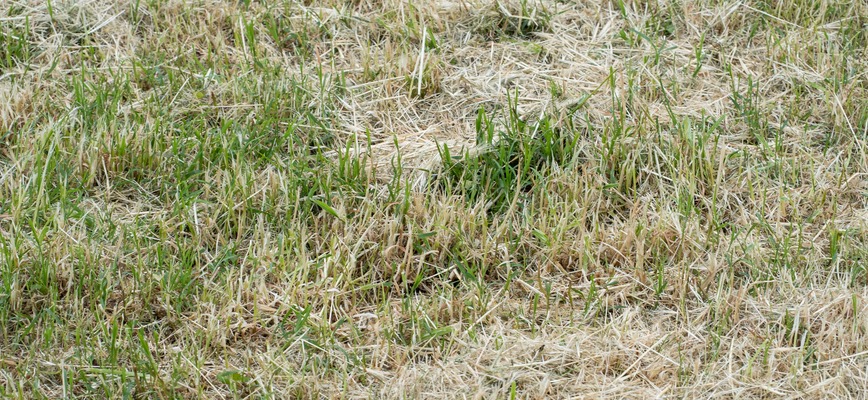
Every summer, homeowners begin noticing changes in their lawn. Brown patches appear seemingly overnight. Grass stops growing. Areas become thin or discolored, leaving many wondering if they need more water, fertilizer, or a fungicide.
The truth is, many summer grass problems look remarkably similar at first glance. Heat stress, drought stress, and lawn diseases often
produce comparable symptoms, but each requires a different approach. Correctly identifying the cause is the first step toward helping
your lawn recover.
Here's how to tell the difference.
Heat Stress vs. Drought Stress: They're Not Always the Same
Although people often use the terms interchangeably, heat stress and drought stress are different conditions.
Heat Stress
Heat stress occurs when prolonged high temperatures place excessive strain on turfgrass, even if adequate moisture is available. Warm-season grasses tolerate heat well, but cool-season grasses commonly found throughout Maryland—including tall fescue and Kentucky bluegrass—begin struggling once temperatures consistently climb into the upper 80s and 90s.Signs of heat stress include:
- Grass appears dull or gray-green.
- Growth slows significantly.
- Leaf blades begin folding or curling.
- The lawn may thin in areas receiving full afternoon sun.
- Turf looks wilted during the hottest part of the day.
Drought Stress
Drought stress develops when the lawn simply isn't receiving enough water to support healthy growth.Common symptoms include:
- Footprints remain visible after walking across the lawn.
- Grass blades fold lengthwise.
- Brown or straw-colored patches spread across the lawn.
- Soil becomes dry and difficult to penetrate.
- Turf feels brittle rather than flexible.
Could It Actually Be Lawn Disease?
Summer conditions also create the perfect environment for several fungal lawn diseases. Warm temperatures combined with overnight humidity, morning dew, and occasional rainfall allow disease to spread rapidly.Some of the most common diseases include:
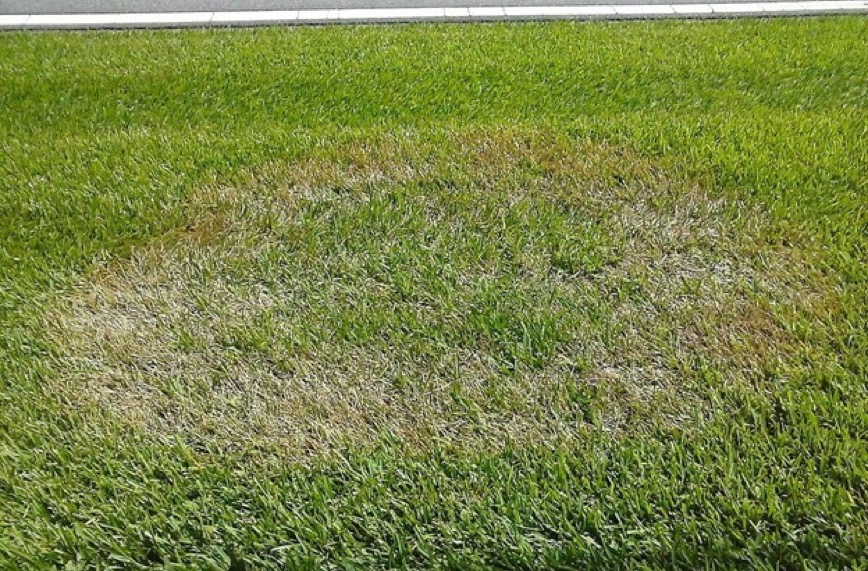
Brown Patch (pictured)
Brown Patch creates large circular patches of brown turf, often with a darker outer ring. It commonly develops during hot, humid nights and is especially common in tall fescue lawns.
Dollar Spot
Dollar Spot appears as numerous small, silver-dollar-sized tan patches scattered throughout the lawn. It often occurs when turf is under stress or nitrogen levels are low.
Red Thread
Red Thread produces pink or reddish thread-like strands extending from affected grass blades. While generally cosmetic, it indicates the lawn is under stress and may benefit from improved nutrition.Unlike drought stress, fungal diseases usually do not recover simply by watering more. In fact, excessive irrigation can make some diseases worse.
A Simple Homeowner Inspection
If you're unsure what's causing your lawn's decline, perform a quick inspection.Ask yourself:
- Has your area experienced prolonged dry weather?
- Have daytime temperatures remained consistently high?
- Does the damage follow circular patterns or irregular patches?
- Are the grass blades spotted, rotting, or covered with colored threads?
- Does the lawn bounce back after watering?
What You Should (and Shouldn't) Do
Many homeowners unintentionally make summer grass problems worse by applying the wrong solution.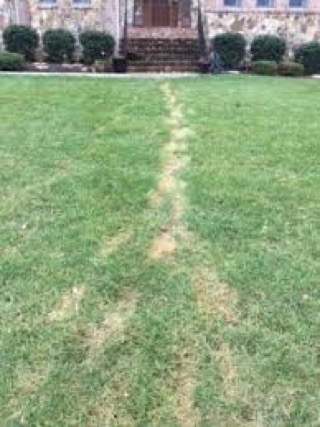
Continue Good Lawn Care Practices
- Water deeply and infrequently, aiming for approximately 1 inch per week when rainfall is lacking.
- Water early in the morning to reduce disease pressure.
- Raise your mower height during summer to help shade the soil and reduce moisture loss.
- Keep mower blades sharp to minimize stress on the grass.
- Avoid excessive foot traffic during extreme heat.
Avoid These Common Mistakes
- Applying fertilizer during periods of severe heat stress.
- Watering every evening, which encourages fungal growth.
- Assuming every brown patch is caused by drought.
- Applying fungicides without properly identifying the problem.
Sometimes Your Lawn Is Experiencing More Than One Problem
One of the reasons summer grass problems can be difficult to diagnose is because multiple stressors often occur simultaneously.For example, a lawn may begin with drought stress, become weakened by prolonged heat, and then develop Brown Patch after a period of humid weather. Likewise, compacted soils or poor drainage can increase susceptibility to both environmental stress and disease.
This is why professional lawn evaluations often consider the entire growing environment—not just the visible symptoms.
When to Call a Lawn Care Professional
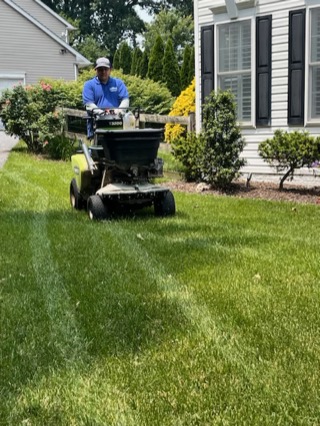
If your lawn continues declining despite proper watering and mowing practices, or if brown patches continue expanding, it may be time for a professional evaluation.A lawn care specialist can determine whether the issue is caused by environmental stress, disease, insects, or another underlying problem and recommend the most effective treatment plan.
With proper identification and timely care, many lawns recover well as temperatures moderate later in the season.
Healthy Lawns Start With Proper Diagnosis
Not every brown lawn needs more water, and not every patch requires a fungicide. Understanding the difference between heat stress, drought stress, and lawn disease helps you make better decisions that protect both your lawn and your investment.If you're noticing summer grass problems this season and aren't sure what's causing them, our team is happy to evaluate your lawn and recommend the best course of action. Early diagnosis can make all the difference in keeping your lawn healthy through the remainder of the summer.
Contact AgroLawn today at 410-997-1742 to schedule a professional lawn evaluation and keep your lawn healthy all summer long.