Your Neighborhood Lawn Care Provider.
Soil Compaction in Maryland Suburbs: Causes, Prevention & Long-Term Fixes
- On September 23 2026
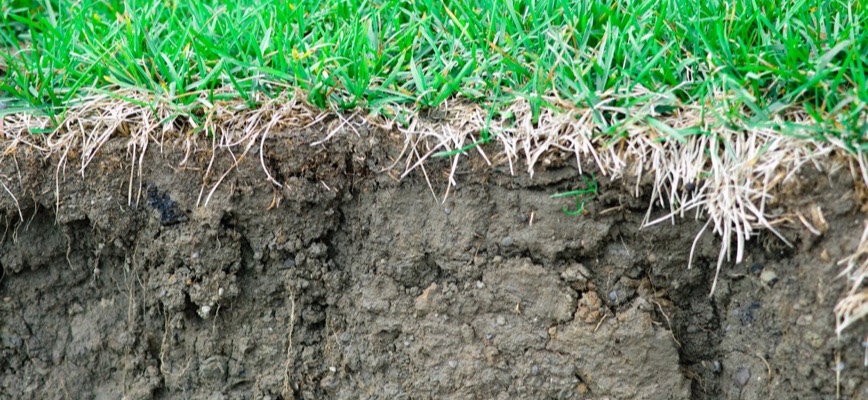
A lawn can receive fertilizer, water, and regular care and still struggle to grow if the soil underneath it is compacted. Compacted
soil limits the movement of air, water, and nutrients into the root zone, making it difficult for grass to develop the strong root
system it needs.
Soil compaction in Maryland suburbs is particularly common because many local lawns have naturally heavy or clay-based soils. Add
construction activity, foot traffic, mowing, pets, and seasonal weather conditions, and the soil can gradually become dense enough to
affect turf health.
The good news is that compaction can be managed. Understanding why it happens—and addressing the soil rather than only treating
the symptoms—can make a significant difference in the long-term health of your lawn.
What Is Soil Compaction?
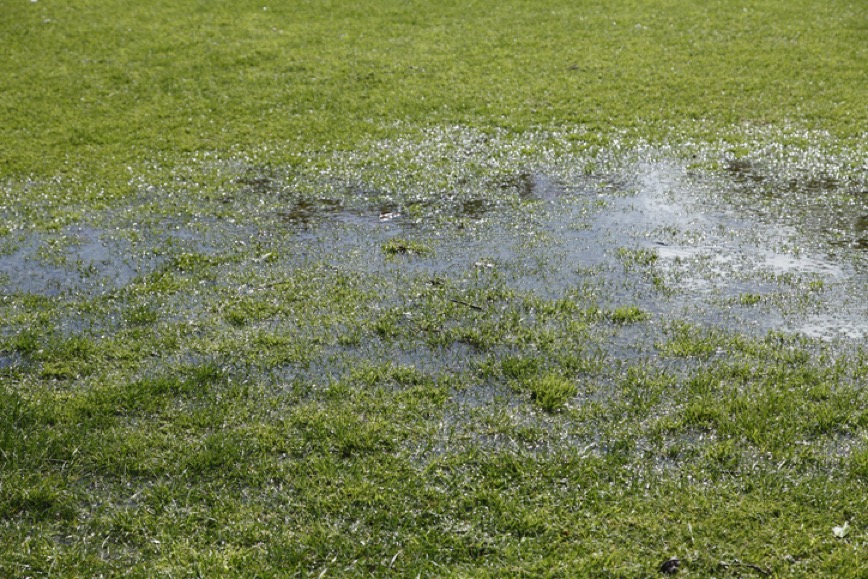
Healthy soil contains small pore spaces that allow water, oxygen, and nutrients to move through the soil profile. Grass roots use these spaces to grow deeper and access the resources they need.Compaction occurs when soil particles are pressed tightly together, reducing those pore spaces. As the soil becomes denser, roots have a harder time penetrating it.
Common signs of compacted soil include:
- Thin or weak turf
- Bare areas, especially along frequently traveled paths
- Water pooling or running off instead of soaking into the ground
- Grass that struggles during hot or dry weather
- Shallow root growth
- Hard soil that is difficult to penetrate with a screwdriver or soil probe
Why Is Soil Compaction Common in Maryland Lawns?
Several factors make soil compaction in Maryland suburbs a frequent lawn care challenge.
Heavy and Clay-Based Soils
Many Maryland properties contain significant amounts of clay. Clay isn't inherently bad—these soils can hold valuable nutrients and moisture—but the extremely small soil particles can pack together tightly, particularly when the ground is wet.
Construction and Home Development
Compaction can begin before a homeowner ever moves into a property. During construction, heavy machinery repeatedly travels across the site. Topsoil may also be removed, disturbed, or redistributed.Once sod or seed is installed, the lawn may look finished above ground while the underlying soil remains heavily compacted.
Everyday Traffic
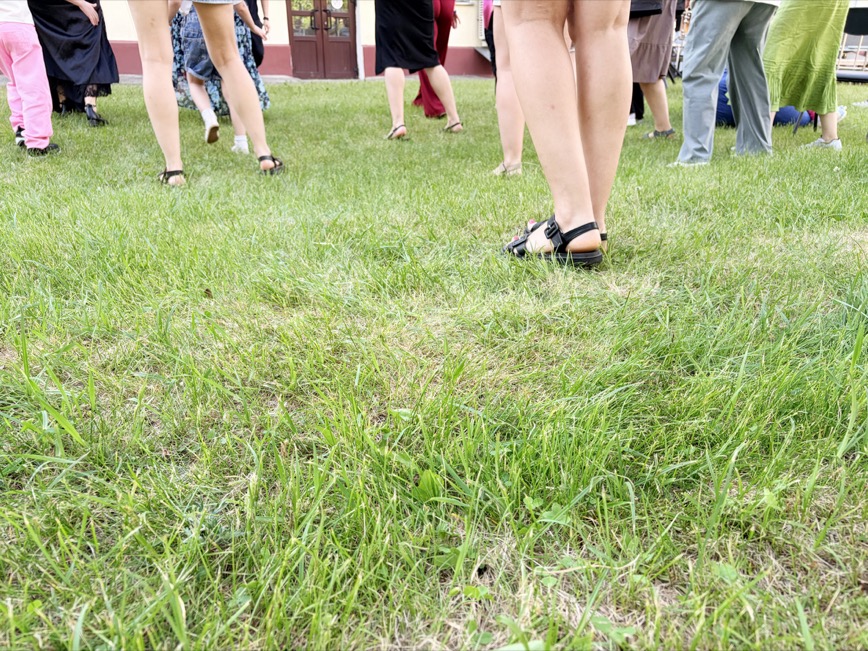
People, pets, lawn equipment, delivery activity, backyard entertaining, and children's play areas can all gradually compact soil. Areas that receive frequent traffic are often the first places where turf begins to thin.
Working on Wet Soil
Soil is particularly vulnerable to compaction when saturated. Walking, mowing, or operating equipment over very wet ground can compress soil particles and damage its structure.
Why Compaction Makes Lawn Care Less Effective
One of the biggest problems with compaction is that it can interfere with other lawn care efforts.Fertilizer provides nutrients, but grass needs an active root system to make effective use of them. Irrigation provides moisture, but compacted soil may cause water to run off or remain near the surface instead of moving deeper into the root zone.
In other words, improving what's happening below the grass can help homeowners get more value from what's being applied above it.
Deeper, healthier roots also give turf a better chance of tolerating Maryland's summer heat and periods of dry weather.
How Can You Prevent Soil Compaction?
Preventing compaction completely isn't realistic for an actively used lawn, but homeowners can reduce unnecessary pressure on the soil.Avoid mowing or performing heavy lawn work when the ground is saturated. If certain parts of the yard receive constant foot traffic, consider redirecting traffic or installing a designated walkway rather than repeatedly stressing the turf.
Proper mowing and watering practices also support stronger grass. Maintaining an appropriate mowing height encourages a healthier root system, while deeper, less frequent watering can encourage roots to grow farther into the soil when conditions allow.
Most importantly, pay attention to recurring problem areas. A section of lawn that continually thins despite adequate fertilizer and water may be telling you that the problem is beneath the surface.
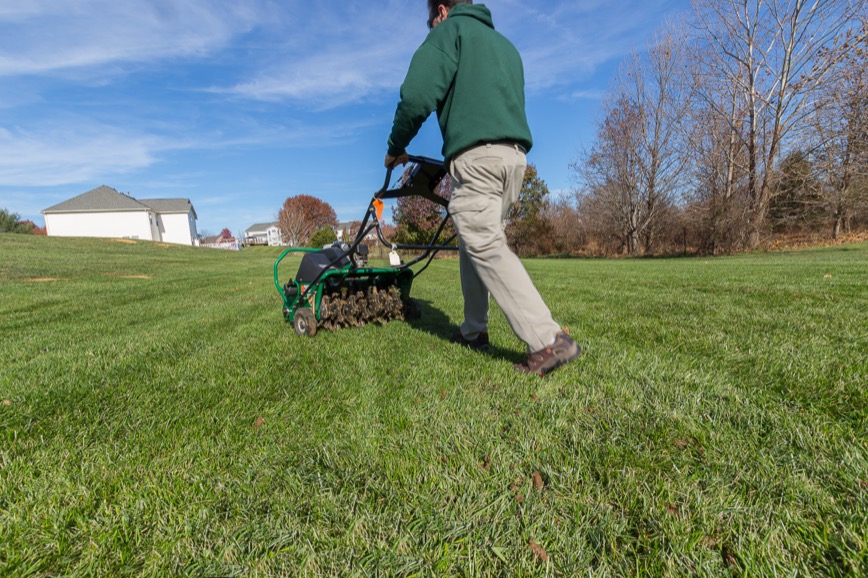
Core Aeration Is One of the Best Long-Term Tools
For established turf, core aeration is one of the most effective ways to address soil compaction in Maryland suburbs.Unlike treatments that only affect the lawn's surface, core aeration mechanically removes small plugs of soil from the ground. This creates channels through the compacted layer and allows more air, moisture, and nutrients to reach the root zone.
As the cores break down, they return organic material to the lawn while the openings provide room for roots to expand.
Aeration is particularly valuable when combined with overseeding. The holes created during aeration improve seed-to-soil contact, while reducing compaction creates a better environment for new seedlings to establish.
However, one aeration does not permanently change severely compacted soil. Properties with heavy clay, significant traffic, or construction-related compaction may benefit from making aeration part of an ongoing lawn care strategy.
Build Better Soil, Not Just Greener Grass
The best approach to compacted soil is a long-term one.A lawn is an ecosystem, and healthy turf starts with soil that can support active roots. Regular core aeration, proper mowing and watering, appropriate fertilization, soil conditioning when needed, and overseeding can gradually improve the growing environment.
That is why identifying soil compaction in Maryland suburbs is so important. If the underlying soil problem isn't addressed, homeowners can continue treating thin grass without correcting one of the reasons it struggles in the first place.
Give Your Lawn Room to Grow
If your lawn has thin areas, poor drainage, shallow roots, or seems to struggle despite regular care, compacted soil may be part of the problem.AgroLawn can evaluate your lawn and recommend services designed to improve both turf and soil health. With the right combination of core aeration, seeding, soil care, and ongoing lawn treatments, you can create better conditions for stronger roots and a thicker, healthier lawn season after season.
Ready to improve your lawn from the soil up? Contact AgroLawn today at 410-997-1742 to learn more about core aeration and our lawn care programs.