Your Neighborhood Lawn Care Provider.

To Keep or Not Keep Leaf Litter? Fall Leaf Cleaning for a Healthy Maryland Lawn
- On October 15 2025
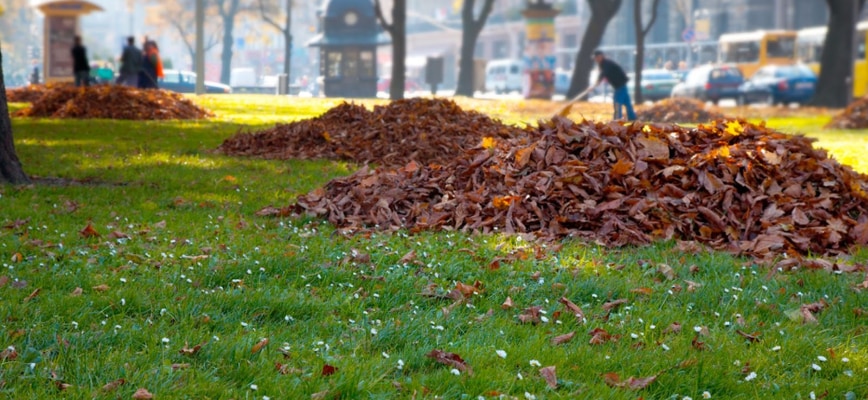
'Tis the season of colorful autumn foliage, leaf piles, and cooler weather! Maryland falls come with trees transforming into beautiful oranges and reds, and a ground blanketed with leaves. Although the changing seasons bring about beautiful sights, they also bring about decaying leaves everywhere. Those colorful fall leaves may look pretty ... but are they slowly suffocating your lawn?
Foliage will litter the driveway, walking paths, lawns, and gardens. Whether or not you love or hate a lawn full of leaves, it's important to know how they impact your lawn when left untouched. Before you rake them up or leave them to rot, you should keep these points in mind for your lawn's long-term health.

To Keep or Not Keep Leaf Litter
Is there a right answer to leaf litter in your lawn? Well, it depends on your goals. Leaf litter can be beneficial to your lawn in small amounts. When mulched and raked evenly, leaf litter can work as a natural fertilizer that brings water absorption and structure to your soil. However, too much can cause mold and pests. Plus, it'll hide your verdant green fall lawn that thrives best in cooler weather. Ultimately, the choice is yours - once you've finished reading the pros and cons!
Benefits of Mulching Leaves in Maryland Yards
Good news: if you hate the back-breaking work of raking, you don't have to do it! Leaf compost can be a natural fertilizer and soil enrichment. Leaf litter improves the moisture retention of the soil, which can help in dry spells. Avoid the extra fall lawn care hassle of raking by mulching the leaves into a nutrient-rich soil.

The Dangers of Leaving Thick Leaf Layers on Maryland Grass
While mulched leaves can give your lawn a pick-me-up, unmanaged leaf litter can smother turfgrass and prevent it from getting sunlight. Too many leaves create heavy and damp conditions that encourage mold growth, especially in the cooler fall and winter months.Unmanaged leaf piles will also attract pests like ants, spiders, voles, and mice. As the leaves slowly decay, they create warmth within the leaf blanket, encouraging critters to cozy up from the late fall weather.

How to Mulch Leaves for a Healthier Fall Lawn in 3 Steps
This fall, try using those rogue leaves to your advantage with mower mulching! Breaking up dense leaf litter with a lawn mower makes its nutrients more accessible by speeding up the decaying process and taking weight off of your grass. Here's how you can mulch leaves in three steps:- Rake the leaves evenly across your yard. Depending on where you have leaf-dropping trees, chances are that your leaves are unevenly spread. Thin out leaf piles and smooth leaves into a more even blanket before mulching.
- Shred leaves with a mower until they are dime-sized. This will break up the tough natural fibers and help the organic matter decompose into rich, nutrient-dense soil.
- Dispose of excess leaf litter that smothers your lawn. Ensure your lawn still has access to sunlight by double-checking that the mulch isn't too deep. Your turfgrass should have easy access to sunlight and water, as well as air flow to prevent mold growth.
When to Rake or Remove Excess Leaves in MD
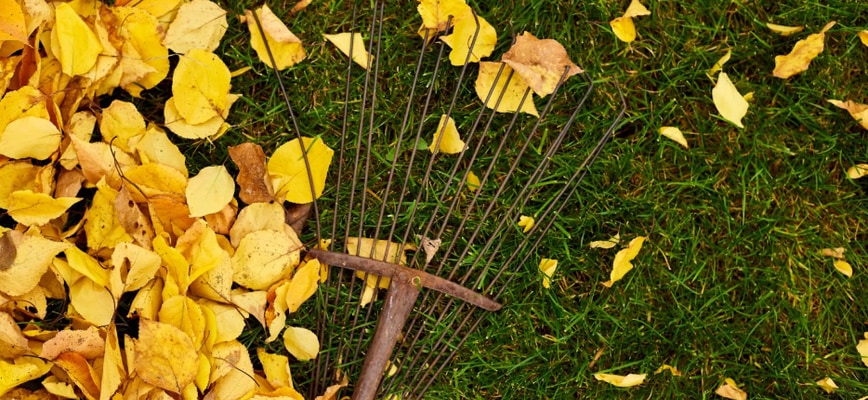
When does leaf litter become a bit too much to handle? If your yard has more than a few trees, you might be dealing with pounds of leaves! If your grass is heavily shaded or smothered by fallen leaves, it won't be able to properly photosynthesize to grow lush and green.Heavy oak or maple drop areas can be challenging to keep up with. During your routine Maryland fall lawn care, mulch the first drops and remove the remainder. Should you have excess leaf drop areas, simply bag the leaves and dispose of them at your local dump. This method will boost your turf with a natural fertilizer without overdoing it.
If leaves are clogging up storm drains or gutters, it's absolutely necessary to rake and dispose of them. Gutters should always remain free and clear of debris, especially in wetter months when there's a chance of flooding. Excess, wet leaves in the road can also cause hydroplaning, so removing them promptly will keep your neighborhood safe and clean.

Where to Dispose of Leaf Litter
Not sure what to do with all those leaves? You've got options! Local composting sites, county leaf-collection schedules, and curbside pickup programs can help you manage heaps of leaves with minimal effort. Maryland has 21 designated composting facilities to help residents recycle leaves. These community programs take the hassle out of fall cleanup while ensuring your leaves are reused or recycled responsibly.Or, if you'd rather keep the nutrients on your property, place leaves in a designated compost bin for months of mulch next year. About 34% of all municipal solid waste generated in the U.S. is backyard waste and food scraps. With a compost bin, you can help return those natural nutrients to the earth and spend less time on raking (it's a win-win!).
Maryland's Department of the Environment's Steps in Making a Home Composting Bin
Looking to take your Maryland lawn care a step further? Eco-friendly home composting is a simple way to dispose of leaves and return carbon to the environment:- Create a 3'x5' enclosed woven wire space away from your home or fence.
- Add the leaves and water with a hose if there's no moisture.
- Flip and fluff weekly to aerate until decomposed into a fine soil.
- Once fully decomposed, spread in a thin layer over your lawn for free fertilizer.