Your Neighborhood Lawn Care Provider.

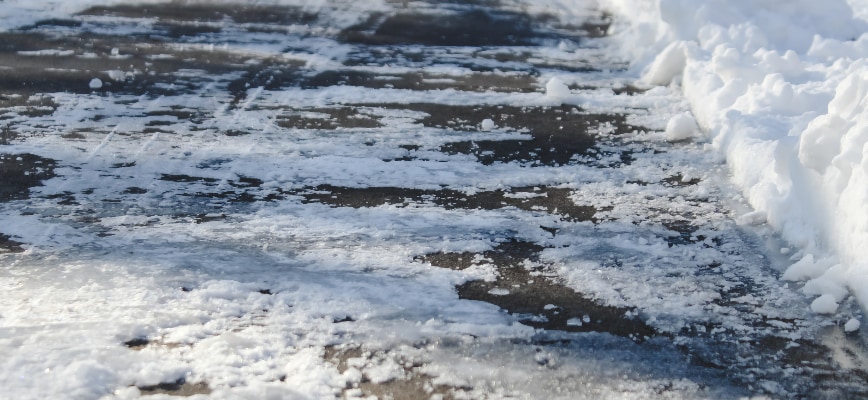
Salt, Ice Melt & Your Lawn: How to Protect Turf Along Driveways and Walkways
- On February 11 2026
Winter safety often comes first in Maryland, especially when snow and ice make driveways and walkways slick. But while de-icing products help prevent slips and falls, they can quietly wreak havoc on nearby turf. Each winter, lawn damage caused by road salt and ice melt chemicals becomes one of the most common—and frustrating—issues homeowners notice once spring arrives.
Understanding how salt affects your lawn, what warning signs to look for, and how to protect vulnerable areas can make a big difference in how well your turf rebounds when the weather warms.
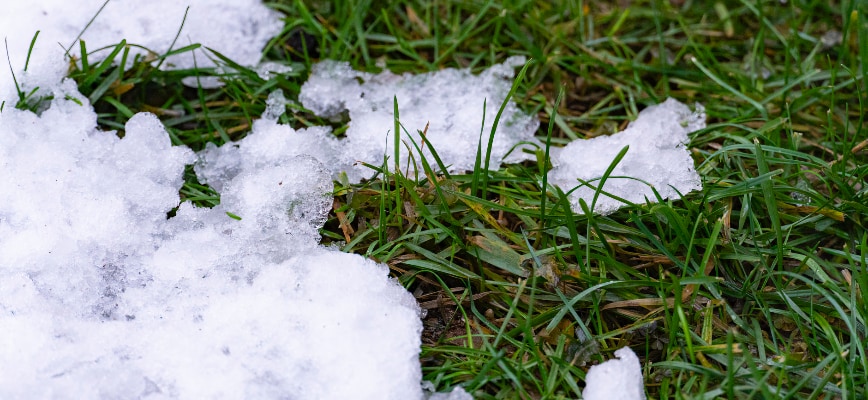
Why Salt and Ice Melt Damage Lawns
Most de-icing products contain sodium chloride (rock salt) or other chloride-based compounds designed to lower the freezing point of water. While effective on pavement, these products are harsh on grass and soil.When salt dissolves and washes into surrounding turf, it can:
- Dehydrate Grass Plants - Pulling moisture out of the roots.
- Disrupt Nutrient Uptake - Blocking essential elements like potassium and calcium.
- Alter Soil Structure - Leading to compaction and poor drainage.
- Burn Leaf Tissue - Especially along lawn edges next to pavement.
Common Signs of Salt Damage in Lawns
Salt injury doesn't always appear immediately. In many cases, damage becomes noticeable in late winter or early spring as turf breaks dormancy.Watch for these red flags:
- Yellow, straw-colored, or brown grass along pavement edges.
- Patchy growth or delayed green-up in spring.
- Crusting or white residue on soil surfaces.
- Grass that appears dry or brittle even after snowmelt.
Safer Ice Melt Choices for Lawns
Not all de-icing products are equally damaging. If possible, choose options labeled as “pet-safe” or “plant-safe”, which typically use calcium magnesium acetate or potassium-based formulas.While no ice melt is completely harmless, these alternatives tend to:
- Be less dehydrating to grass roots.
- Reduce soil salinity buildup.
- Cause less long-term turf stress.
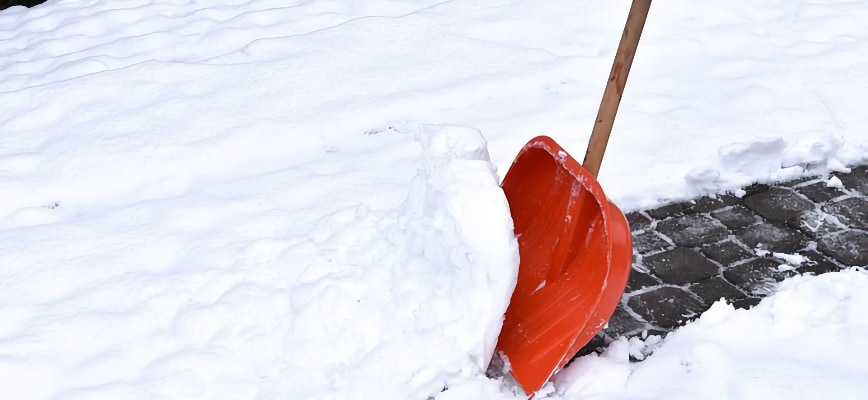
Practical Ways to Protect Your Lawn in Winter
You don't have to choose between safety and a healthy lawn. A few proactive steps can significantly reduce salt damage:- Shovel Early and Often - The less ice you allow to form, the less ice melt you'll need overall.
- Create a Barrier - Temporary edging, burlap, or snow fencing along lawn borders can help block salt spray and runoff.
- Redirect Snow Piles - Avoid piling plowed snow directly onto turf. Concentrated meltwater often carries high salt levels.
- Rinse When Possible - During mild winter thaws, gently watering driveway edges can help flush excess salt out of the soil.
- Strengthen Turf Before Winter - Well-fed, deeply rooted grass is more resilient. Proper fall fertilization and soil conditioning help turf tolerate stress better.
Repairing Salt-Damaged Turf in Spring
If salt damage does occur, early spring recovery is key:- Lightly rake affected areas to remove dead grass.
- Flush soil with water to dilute salt concentrations.
- Apply lime if soil testing indicates elevated salinity.
- Overseed bare patches with appropriate grass varieties.
- Resume a balanced lawn care program to rebuild root strength.
Protecting Your Lawn Starts with a Plan
Winter conditions in Maryland can be unpredictable, but salt damage doesn't have to be. A proactive lawn care strategy helps protect high-risk areas and ensures your turf bounces back strong in spring.At AgroLawn, we help homeowners protect their lawns year-round—from winter stress to spring recovery. If you're noticing damage along driveways or want to strengthen your lawn before next winter, our team is here to help.
Contact us today to schedule a professional lawn evaluation and get your turf back on track.